Priya's rooftop garden in Kolkata looked beautiful in October and half-dead by the following April. She wasn't neglecting it — she was out there every evening with a hose, standing in the heat for forty-five minutes, watering forty pots one at a time. Some got soaked, some got missed entirely, and the water bill kept climbing while half of what she poured out ran straight off the terrace edge. That exact frustration — hours spent watering by hand for results that never quite add up — is what sends most gardeners searching for how to build PVC pipe irrigation system for garden use, rather than continuing to drag a hose around every single day.
The relief is that this isn't a job for a professional landscaper. It's a plumbing project any determined gardener can finish over a weekend, using pipes and fittings sold at any hardware store. Once the layout, pipe sizes, and fittings make sense, learning how to build PVC pipe irrigation system for garden watering stops feeling like a construction project and starts feeling like a Saturday afternoon task.
The Real Cost of Watering a Garden by Hand
A hosepipe feels simple, but it wastes water in ways most gardeners never total up — overspray onto paths, runoff from over-watering the front row while the back row goes dry, and the sheer time cost of standing there every evening instead of actually enjoying the garden.
Why a Watering Can Isn't a System
A watering can or hose gives you control in the moment but no consistency over a week. Plants near the tap get flooded out of habit, while pots at the far end are quietly forgotten during a busy week, and inconsistent watering is one of the most common reasons container gardens and terrace beds underperform compared to ground-level plots with steadier soil moisture.
How to Build PVC Pipe Irrigation System for Garden Watering, Step by Step
Before buying anything, sketch your garden on paper — mark the water source, the beds or pot rows, and rough distances. This single step prevents the most common beginner mistake: buying too little pipe and making a hardware run mid-project.
How to Build PVC Pipe Irrigation System for Garden Setups: Materials You Need
- A main supply pipe running from the tap or overhead tank to the garden.
- Lateral lines branching off the main line toward each bed or row of pots.
- A set of drip irrigation pipes and fittings or micro-sprinklers for the actual watering points.
- Tees, elbows, end caps, and a simple ball valve to control flow.
- A basic mesh filter, especially if your water source carries any silt.
Industry surveys of drip adoption in India consistently note that even small-scale drip and micro-irrigation setups cut water use significantly compared to flood or hose watering, which is exactly why the extra afternoon spent plumbing it properly tends to pay for itself within a season or two.
Laying Out the Main Line and Laterals
Run the main line along the shortest practical path from your source to the garden, then branch laterals off it toward each bed. Keep the main line buried an inch or two below soil level where it crosses open ground, and leave it surface-mounted along a wall or trellis where you'll want to inspect or adjust it later. A gentle, consistent slope helps drain the line fully before winter or a long dry spell, which protects the pipe from any residual water damage.
Choosing the Right Pipes and Fittings for Garden Irrigation
Picking the wrong pipe is the fastest way to turn a weekend project into a recurring repair job.
PVC vs PE: Which Pipe Suits Your Garden
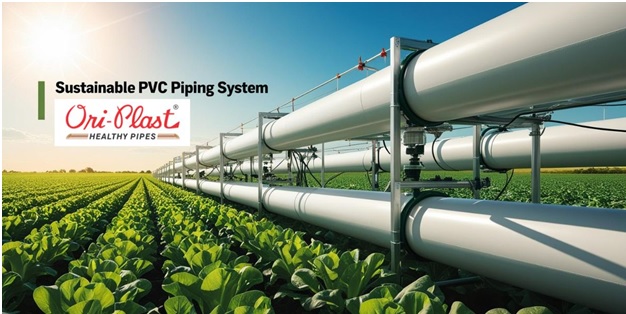
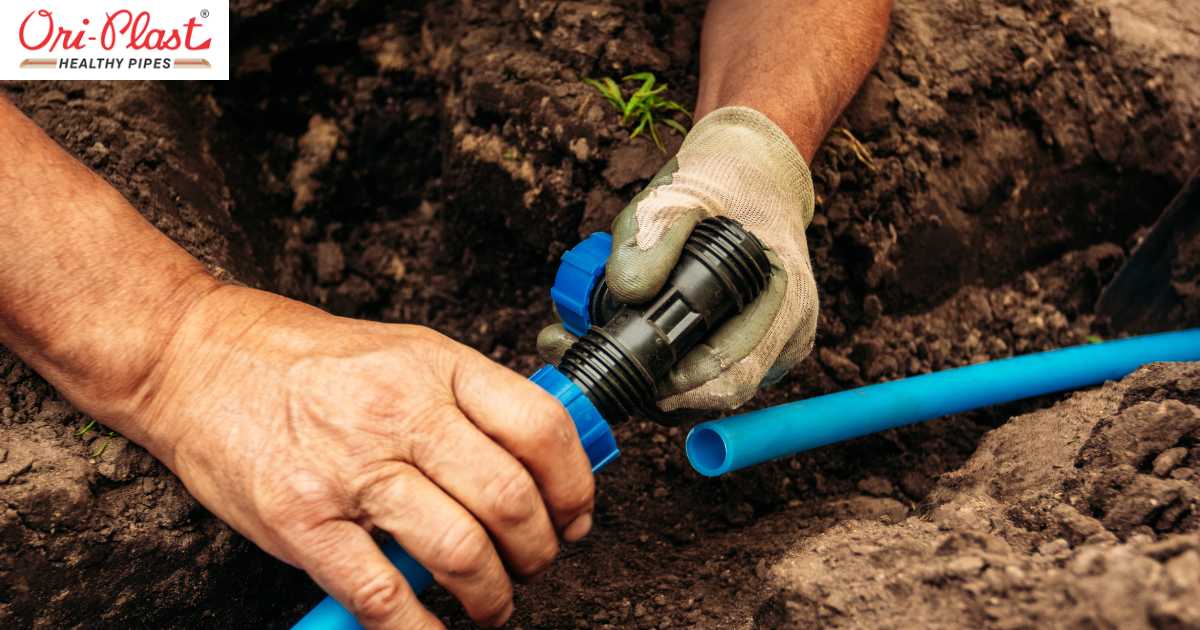
Rigid uPVC pipes and fittings work well for a main line that stays in one place along a wall or fence, since they hold their shape and are easy for a beginner to cut and glue cleanly. Flexible PE pipes and fittings are the better transactional pick for lateral lines that need to curve between raised beds or pots, because they bend around corners without extra elbow joints. Many gardeners searching for the best pipe for garden irrigation end up mixing both — rigid for the backbone, flexible for the branches — rather than committing to one type for the whole layout.
Drip Emitters, Sprinklers, and Connectors
- Use drip emitters for individual pots, where you want a slow, targeted trickle rather than a spray.
- Choose micro-sprinklers for dense flower beds or lawn edges that need broader coverage.
- Add a PVC garden hose pipe as a flexible extension for spot-watering areas the fixed line doesn't reach.
- Fit camlock pipes and fittings wherever you want a section to disconnect quickly, such as before winterising the system.
Regional Notes: How to Build PVC Pipe Irrigation System for Garden Setups Differently by Climate
A layout that works beautifully in one state can underperform badly in another, simply because rainfall and soil differ so much across India.
Lessons from Different States
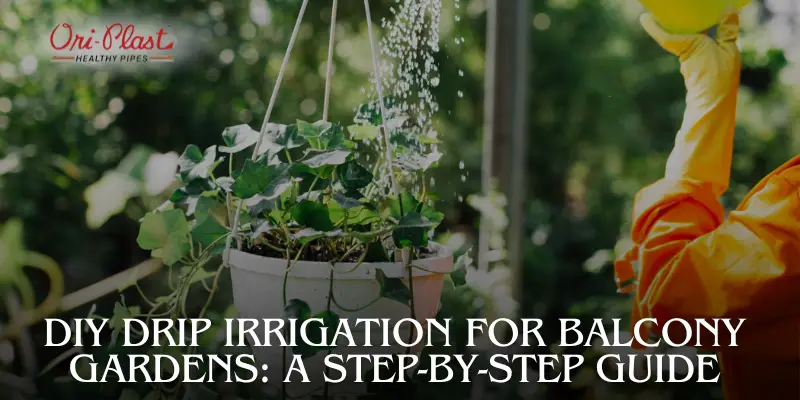
In Punjab, where summers are long and dry, gardeners lean heavily on drip lines with closely spaced emitters to stop beds from baking between waterings. Jaipur's desert-adjacent climate pushes the same logic further, with many home gardeners storing tank water overnight so the irrigation line runs on gravity pressure each morning rather than depending on unpredictable municipal supply. Telangana's growing terrace-garden culture, especially in apartment complexes, has made compact drip kits genuinely popular, since balcony gardeners rarely have room to drag a hose between forty pots.
Odisha and the belt around Raipur see heavier, more concentrated monsoon bursts, so garden beds there benefit from raised lines and slightly wider drainage gaps to stop waterlogging around root zones. Guwahati and the rest of Assam get some of the country's highest rainfall, which means many gardeners there actually plumb their systems more for drainage control during monsoon than for watering during the dry months. Back on Priya's Kolkata terrace, switching from a daily hose round to a simple gravity-fed drip line cut her watering time from forty-five minutes to under five.
Fixing Common Setup Problems Early
Even after you've worked out how to build PVC pipe irrigation system for garden watering the first time, a well-planned system still runs into small snags in its first season, and most have simple fixes.
Troubleshooting Your How to Build PVC Pipe Irrigation System for Garden Setup
- Uneven pressure at the far end of the line — usually a sign the main line diameter is too narrow for the number of laterals branching off it.
- Clogged emitters — almost always solved by adding or cleaning the mesh filter near the source.
- Puddling around one bed — check for a cracked fitting or an emitter left fully open by mistake.
- Sudden pressure loss after a few weeks — inspect joints for a slow leak; a cheap, brittle fitting is the usual culprit rather than the pipe itself.
Common Mistakes to Avoid
Many first-time installers under-plan the main line diameter, assuming a thin pipe will carry water to twenty emitters just as well as it carries water to five. Others skip the filter entirely and then wonder why emitters clog within a month. A surprising number also forget an accessible shut-off valve, which turns a five-minute winter drain-down into a frustrating dig through mulch to find the tap.
Keeping the System Running Year After Year
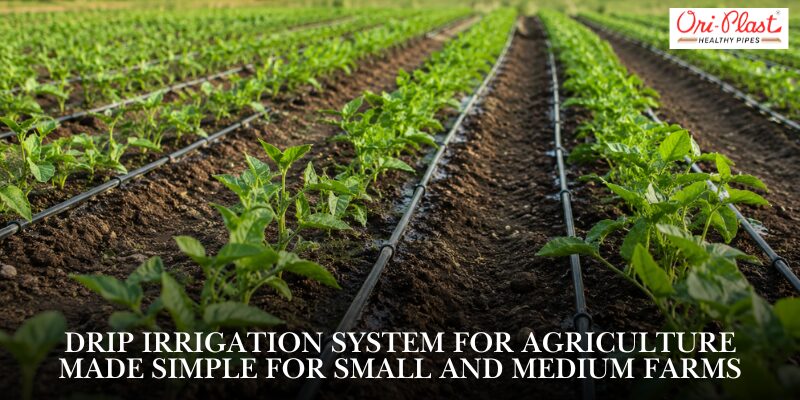
A garden irrigation line isn't a install-and-forget job, but the upkeep is light. Flush the main line at the start of each season, check emitters for clogging every few weeks during peak summer, and drain the system fully before any hard cold snap in the hills or a long absence from home. Anyone storing water for the garden overnight can pair the setup with an LLDPE water tank rather than open buckets, which also keeps mosquito breeding down. For readers running a larger plot alongside the garden, Oriplast's guide to a drip irrigation system for agriculture covers the same principles at farm scale.
The Bigger Picture
A single terrace garden won't move the needle on India's water stress, but multiplied across a housing colony or a street of independent homes, consistent drip watering adds up to a meaningful drop in wasted municipal or borewell water. That's really the quiet win behind this weekend project — not just healthier plants, but a garden that costs less water and less of your evening to keep alive.
Once you've mapped out how to build PVC pipe irrigation system for garden watering for your own space, the rest is just following the plan. If you're ready to start, sketch your layout, buy slightly more pipe than you think you need, and pick fittings built to survive a few Indian summers rather than the cheapest option on the shelf. A supplier like Oriplast stocks the full range — from rigid mains to flexible laterals — under one roof, so you're not chasing three different shops for compatible fittings.
Frequently Asked Questions
1. How to build PVC pipe irrigation system for garden watering on a tight budget? Start with a single main line and basic drip emitters rather than a full sprinkler setup; you can add laterals and extra emitters gradually as your garden grows, which spreads the cost across several months instead of one large purchase.
2. What size PVC pipe is best for a garden irrigation main line? For most home gardens, a 20mm to 25mm main line is sufficient; larger plots with many laterals branching off may need 32mm to keep pressure consistent at the far end.
3. Can I use the same pipe for drip and sprinkler watering? The main line can supply both, but drip emitters and sprinkler heads need different lateral pipe sizes and connectors, so plan separate branch lines for each watering method.
4. How long does it take to install a garden irrigation system? A small to medium home garden layout can typically be planned and plumbed in a single weekend, including digging shallow trenches for the main line where needed.
5. Do I need a filter for a home drip irrigation system? Yes, even a basic mesh filter near the water source significantly reduces emitter clogging, especially if you're drawing from a borewell or overhead tank with any sediment.
6. Is PVC or PE pipe better for garden irrigation? Rigid PVC suits a fixed main line along a wall or fence, while flexible PE pipe is easier to route around curved beds and pots, so most gardens end up using a mix of both.
7. How much does it cost to build a garden irrigation system at home? A basic setup for a small terrace or courtyard garden generally costs less than a season or two of inflated hose-watering time and wasted water, making it one of the faster payback projects in home gardening.
8. Can this type of system work on a terrace or balcony garden? Yes, compact drip kits with a small overhead tank or direct tap connection work especially well on terraces, where dragging a hose between dozens of pots is impractical.
9. How often should I run a drip irrigation system? Most home gardens do well with short, frequent watering cycles — often 15 to 20 minutes, two to three times a week — rather than one long soak, though exact timing depends on soil type and season.
10. What is the difference between drip irrigation and a sprinkler system? Drip irrigation delivers water slowly and directly to the root zone through emitters, while sprinklers spray water over a wider area, making drip more water-efficient for pots and beds.
11. Can I connect a garden irrigation system directly to my overhead tank? Yes, gravity-fed systems from an overhead tank work well for most home gardens and avoid relying on unpredictable municipal water pressure.
12. How do I winterise or shut down my irrigation line in the off-season? Close the main shut-off valve, open the lowest drain point to empty the line fully, and remove any exposed emitters that could crack in extreme cold or heat.