
Engineered for Safe,
Reliable and Healthy Water Distribution.
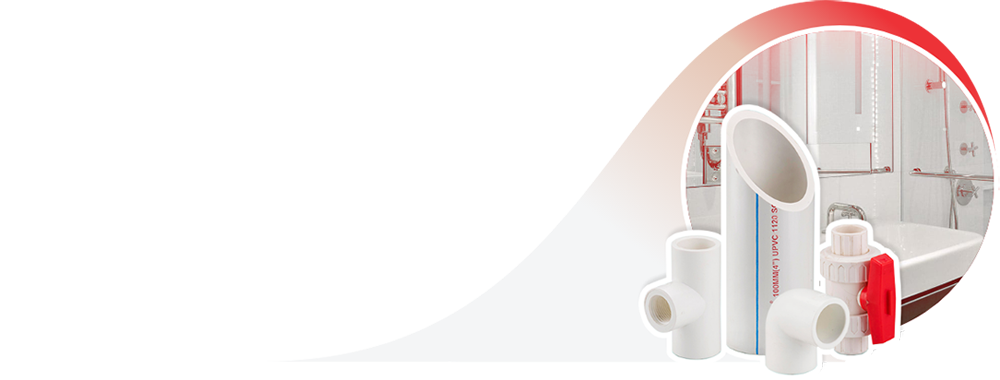
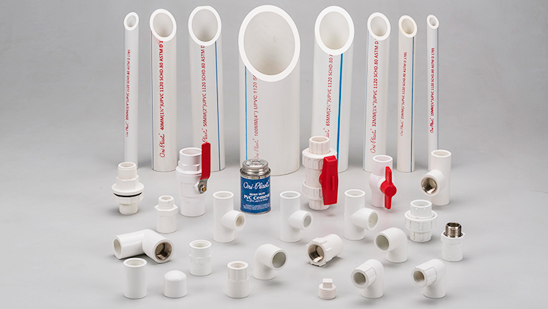
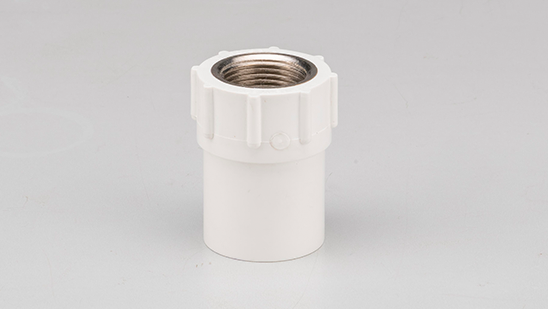
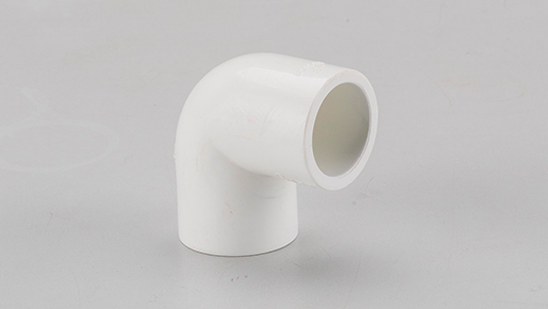
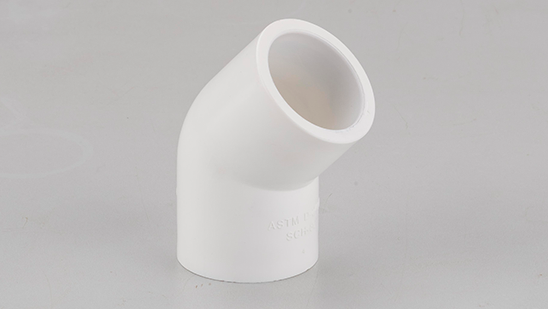
Ori-Plast is a pioneer among top-quality UPVC pipe suppliers in India, offering UPVC pipes and fittings for plumbing applications that need high tensile and impact strength. UPVC (unplasticised PVC) is a specially processed polyvinyl chloride with higher rigidity and durability than standard plastics. It does not corrode or crack easily and lasts for years with zero maintenance, unlike metal alternatives. The pipes are lightweight, easy to transport, and faster to install, and their smooth internal surface prevents deposition and bio-growth. Made from the best quality material and approved under strict quality control, Ori-Plast UPVC pipes and fittings deliver consistent fit and finish, which lowers operational and overall project costs. Our specialised UPVC solvent cement ensures leak-proof joints and fittings. Looking for UPVC pipe prices? Call us for the latest UPVC pipe price list and the best value for your money.
Oriplast uPVC pipes and fittings are rigid, lead-free plumbing products for cold water, tube wells, and drainage. They are made from 100% virgin uPVC to ASTM D1785, D2467, and D2846, come in ½” to 4″ sizes in Schedule 40, 80, and 120, and are joined with solvent cement. They are not for hot water lines.
Oriplast uPVC (Unplasticized Polyvinyl Chloride) pipes and fittings are made from 100% virgin, non-toxic, eco-friendly polymers with no added plasticizers. Leaving out plasticizers gives the material high rigidity, chemical resistance, and structural strength.
Oriplast uPVC plumbing pipes and fittings are manufactured to ASTM D1785, ASTM D2467, and ASTM D2846. These are global quality standards for uPVC pipes and fittings.
Yes, Oriplast uPVC pipes are suitable for drinking water. They are lead-free, odorless, and tasteless. Their mirror-smooth inner walls prevent biological growth and mineral scaling, keeping water safe for consumption.
Oriplast uPVC threaded and push-type plumbing systems come in standard outer diameters from ½” to 4″. These sizes are supplied across multiple schedule ratings.
Oriplast uPVC pipes are produced in Schedule 40, Schedule 80, and Schedule 120. These classes handle varying fluid pressure requirements.
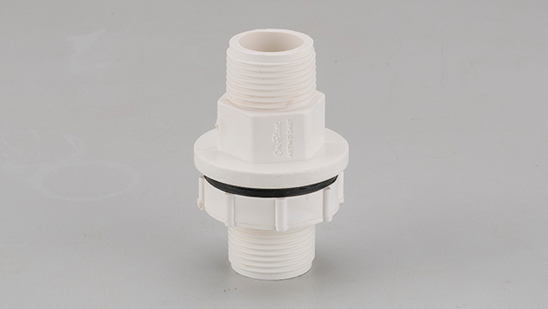
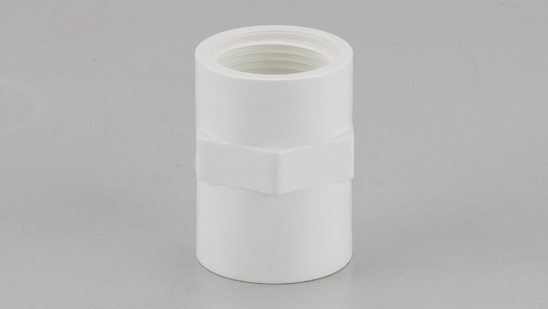
The Oriplast uPVC fittings range includes sockets, unions, 90° and 45° elbows, tees, cross tees, reducers, reducing bushes, end caps, ball valves, male/female threaded adapters, long bends, and brass-inserted fittings.
Oriplast uPVC pipes and fittings are joined with Oriplast Specialized uPVC Solvent Cement. The cement chemically fuses the joint, creating a cold-welded, 100% leak-proof connection that resists pressure spikes.
No, Oriplast uPVC pipes cannot carry hot water. They are engineered for cold water distribution, tube wells, and drainage systems. For hot water lines, use CPVC pipes.
Yes, Oriplast uPVC pipes resist chemical corrosion, soil acids, and soil alkalis. Their non-metallic formulation gives total immunity against internal and external rust and chemical corrosion, and it eliminates mineral buildup.
Yes, Oriplast uPVC pipes are safe for outdoor installation in direct sunlight. All-weather UV-stabilized compounds prevent solar degradation, brittleness, and cracking under intense summer sun.
Yes, uPVC is inherently self-extinguishing and does not support combustion. This prevents flames from spreading along pipeline paths.
Oriplast uPVC pipes reduce pumping energy costs with an ultra-smooth inner surface. The smooth surface minimizes hydraulic friction and flow-head loss, so water flows efficiently with lower pump power requirements.
Yes, Oriplast uPVC pipes can be used for concealed wall and floor plumbing. Their high tensile strength, impact resistance, and leak-proof solvent-cemented joints make them ideal for concealed indoor cold-water loops.
uPVC pipes weigh about one-fifth as much as steel pipes. uPVC has a specific gravity of roughly 1.43, which makes handling, transport, and installation significantly cheaper and faster.
Oriplast uPVC pipes and fittings offer a maintenance-free service life of up to 50 years. They are manufactured with strict quality controls at plants in West Bengal, Odisha, and Rajasthan.