
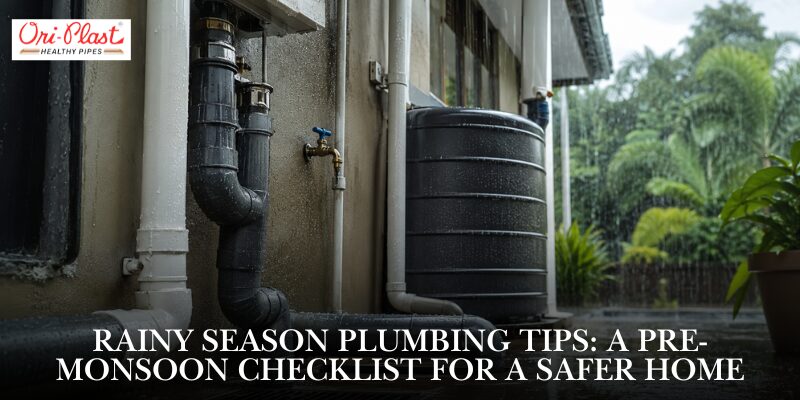
Rupsa said, "Every monsoon, the same problem starts again — leaks, clogged drains, damp walls, and that annoying smell from the bathroom." Ritam replied, "That usually means the plumbing wasn't checked before the rains. A little preparation can save a lot of trouble later."
When the weather turns wet, small plumbing issues often become bigger and costlier. Many homeowners only notice the problem after water starts dripping through ceilings, pipes begin to rust, or drains overflow during heavy rainfall. That is why Rainy Season Plumbing Tips matter before the first shower hits.
If you want a home that stays dry, safe, and stress-free through the season, this checklist will help you plan better, inspect smarter, and choose the right materials.
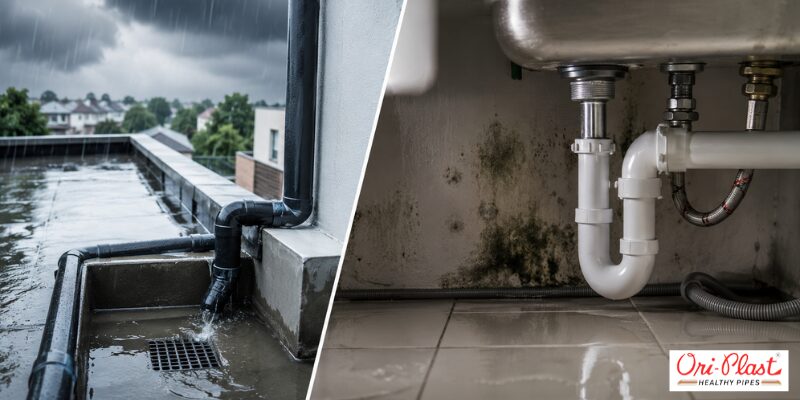
Image Source: AI Generated
Why monsoon plumbing needs attention
Rupsa said, "My kitchen pipe was fine all summer. Why does it suddenly leak during the rains?" Ritam replied, "Because moisture, pressure changes, and blocked drainage all work together during monsoon."
Rainy weather creates the perfect condition for hidden plumbing faults to show up. Humidity weakens seals, waterlogging affects underground lines, and older pipes can crack under pressure. In cities like Kolkata and Guwahati, where heavy rain and water retention are common, homes often need extra plumbing care before the season starts.
The good news is that most issues can be reduced with timely inspection and the right product choices.
Before the first rain
Rupsa said, "So where do I start?" Ritam replied, "Start with a home checkup for your plumbing system, just like a health checkup before a long season."
A proper pre-season review should focus on visible pipes, hidden joints, tanks, bathroom drains, kitchen lines, and outdoor connections. This is also the best time to look for leak-proof plumbing pipes and waterproof plumbing solutions if replacements are needed.
Inspect the visible pipeline
Look for discoloration, moisture rings, loose clamps, bending, or surface cracks. Even a tiny leak can become a major issue once the rain starts. If any pipe feels weak or shows signs of wear, it is safer to replace it early than wait for emergency repairs.
Check the joints and fittings
Ritam said, "Most leaks don't begin in the pipe body. They begin at the joint." Loose or aged fittings are among the most common reasons for leakage during monsoon. This is where reliable plumbing fittings for home become important, especially in areas that face frequent rain and humidity.
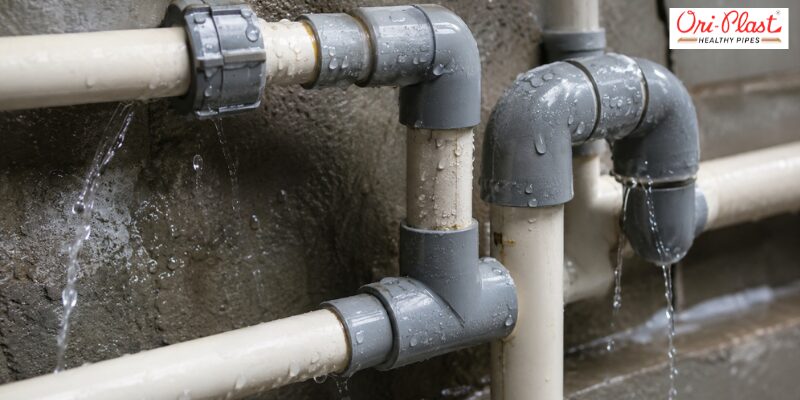
Image Source: AI Generated
Examine the water tank
A tank should be cleaned, covered, and checked for cracks or loose inlet-outlet connections. Dust, algae, and stale water can become more common in the rainy months. If the tank support or lid is damaged, repair it before water contamination becomes a problem.
Test the drains
Bathroom, kitchen, balcony, and rooftop drains should all be cleared before rainwater starts collecting. Slow drainage often signals a blockage, and blocked drains can cause backflow, smell, or seepage. One plumbing industry estimate suggests that a large share of monsoon-related complaints come from drainage failures rather than main pipe damage.
Choosing the right pipe material
Rupsa said, "Should I just use any pipe available?" Ritam replied, "Not if you want long-term protection. The material matters as much as the installation."
If you are comparing best pipes for monsoon plumbing, focus on strength, durability, corrosion resistance, and pressure handling. Durable PVC pipes for homes are widely used for water supply because they are lightweight, easy to install, and suitable for many residential applications. For stronger water transport and better performance in specific systems, durable PE pipes for water supply can also be a smart option.
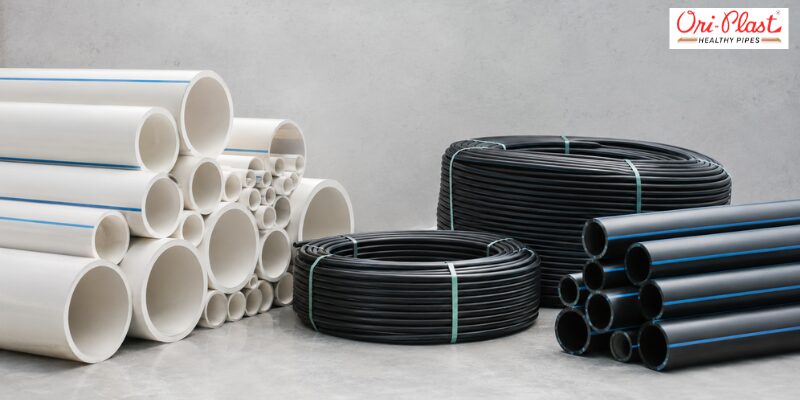
Image Source: AI Generated
Why material quality matters
Poor-quality pipes may warp, crack, or leak faster in humid weather. Homes that depend on low-grade material often face recurring repair costs after each rainy season. On the other hand, the best plumbing materials for homes can reduce maintenance, improve performance, and support better safety.
When to think beyond the pipe
Sometimes the pipe itself is fine, but the fitting, seal, or connector fails. That is why homeowners looking to purchase monsoon plumbing pipes should also ask about quality standards, pressure rating, and compatibility with existing lines. A complete system works better than a single strong pipe paired with weak accessories.
Common monsoon plumbing problems
Rupsa said, "What usually goes wrong first?" Ritam replied, "Different homes show different symptoms, but the warning signs are often easy to spot."
Signs of leaking pipes in monsoon
You may notice damp patches on walls, peeling paint, a musty smell, water stains near sinks, or lower water pressure. These are early warning signs that should not be ignored. The earlier you act, the cheaper the repair.
How to prevent pipe bursts during rain
Protect pipes from external pressure, secure loose sections, and replace brittle lines before the season begins. In older homes, an unnoticed crack can turn into a burst line when water flow increases or soil movement affects underground pipes.
What causes pipe damage in monsoon
Moisture, corrosion, soil movement, poor joint sealing, old material, and blocked flow are the main causes. If the home already has aging lines, the rainy season only accelerates the damage.
Keep the drains and flow healthy
Rupsa said, "The bathroom sometimes smells worse during rain. Why?" Ritam replied, "That is usually a sign of trapped water, poor ventilation, or drain backflow."
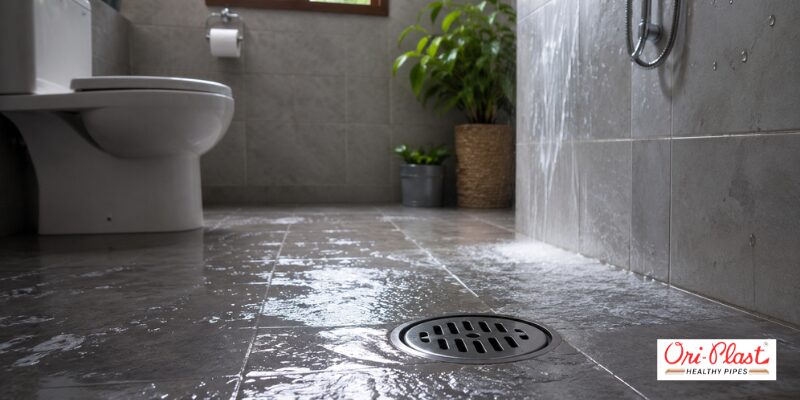
Image Source: AI Generated
How to prevent foul smell from drains in monsoon
Clean drain covers, flush floor traps, and make sure water seals remain active. If a trap dries out, bad odor can come back into the house. Regular cleaning reduces this risk and keeps the space more hygienic.
How to avoid backflow in plumbing during rain
Backflow often happens when drainage paths are clogged or overloaded. Check for proper slope, clear any debris, and use the right drain fittings. A small improvement in drainage design can make a big difference in heavy rain.
Smart pre-season checklist
Rupsa said, "Can you make it simple?" Ritam replied, "Yes. Just follow the same routine every year before the rains begin."
How to check pipes before rainy season
Inspect all visible lines, tap connections, tank joints, washbasin pipes, and outdoor outlets. Run water through them and watch for drips or uneven flow. If a pipe makes a strange sound or feels loose, it needs attention.
What plumbing parts need replacement before monsoon
Replace cracked pipes, old washers, damaged seals, weak clamps, rusted valves, and loose connectors. If any part looks worn out, do not wait until the first storm. Preventive replacement is usually easier than emergency repair.
How to maintain PVC pipes in humid weather
Keep them properly supported, avoid extra bending, and inspect the joints regularly. Humid weather can affect fittings over time, so a quick monthly check during monsoon helps. For many households, rainy season plumbing tips become more effective when paired with regular maintenance habits.
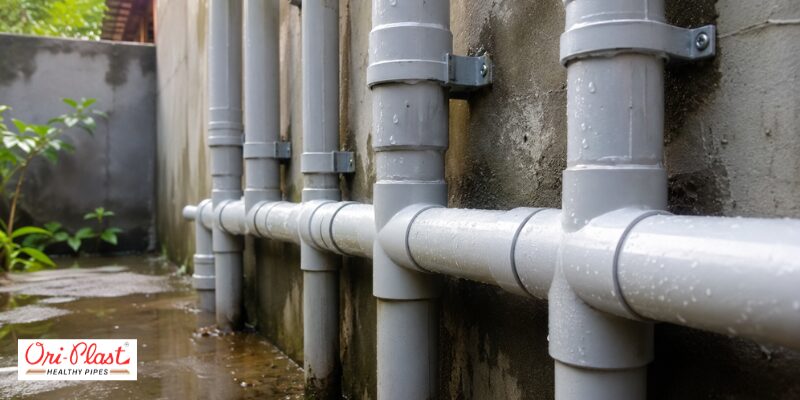
Image Source: AI Generated
Buying the right products
Rupsa said, "I need to upgrade some parts. What should I look for?" Ritam replied, "Ask for certified quality, proper size, and a product that matches your home's water use."
If you are searching for a pvc pipe supplier near me or trying to buy leak proof pipe fittings, compare product quality, pressure rating, and brand support. Certified products are usually a better long-term choice because they are designed for reliable performance under daily use. Homeowners who want to get certified plumbing products should also check warranty and service support before buying.
For renovation or replacement work, buy CPVC pipes and fittings when hot water lines or specific household conditions require them. If the home needs a more durable water transfer setup, waterproof plumbing solutions and reliable plumbing fittings for home can help reduce future issues.
Local buying note
Rupsa said, "Do people in rain-heavy regions need this more?" Ritam replied, "Yes, especially in places like Odisha, Raipur, and Jaipur, where weather patterns can put added pressure on home plumbing."
Homes in high-rainfall or mixed-climate zones often benefit more from advance inspection and stronger product selection. The same Rainy season plumbing tips can help homeowners reduce emergency repair costs and improve everyday comfort.
FAQ
- What are the most important rainy season plumbing tips? The most important tips are to inspect pipes, clean drains, check joints, test the water tank, and replace damaged parts before monsoon.
- How often should I inspect my plumbing during monsoon? A quick check every few weeks is ideal, especially after heavy rain or if your home has older pipes.
- Why do pipes leak more during rainy season? Humidity, pressure changes, old seals, and drainage problems can expose weak points in the plumbing system.
- How do I know if a pipe is about to fail? Watch for stains, low pressure, dripping water, wall dampness, and unusual sounds inside the line.
- Are PVC pipes good for monsoon conditions? Yes, durable PVC pipes for home are commonly used and can perform well when installed properly and maintained regularly.
- What should I check before the rainy season starts? Check visible pipes, fittings, drains, tank connections, bathroom traps, and outdoor water lines.
- How can I prevent drain smell during monsoon? Keep drains clean, maintain water seals, and make sure there is no clogging or standing water in the trap.
- What causes pipe bursts during rain? Ageing material, pressure build-up, waterlogging, poor installation, and joint failure are common causes.
- How do I protect outdoor plumbing? Cover exposed lines where possible, secure fittings, and inspect for cracks or movement before rain starts.
- When should I replace plumbing parts? Replace them as soon as you notice wear, leakage, rust, cracking, or loose connections.
- How do I choose pipes for rainy climates? Choose pipes that are durable, corrosion-resistant, properly rated, and suitable for your home's water load.
- Is tank maintenance necessary in monsoon? Yes, because tank cleaning and sealing help prevent contamination and water quality issues.