
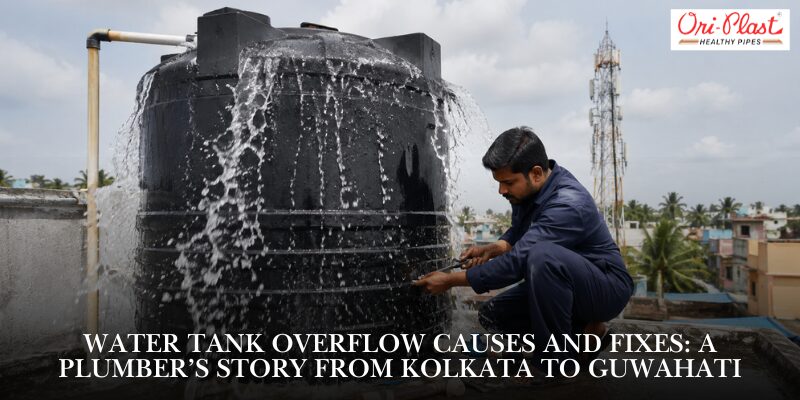
Rahul, a facility manager in Kolkata, walked into his building’s terrace one humid morning to find water gushing out of the overhead tank’s overflow pipe. His heart sank. The pump was still running, the motor humming loudly, and a steady stream was wasting hundreds of litres every minute. He’d seen this before in Assam during monsoon season, but never this bad.
Rahul’s story isn’t unique. Across India, from Odisha’s coastal towns to Punjab’s rural farms, water tank overflows cause daily frustration, inflated electricity bills, and avoidable water loss. The good news? Most overflows stem from a handful of predictable issues—and with the right knowledge and fittings, they’re entirely preventable.
This guide walks you through water tank overflow causes and fixes in plain language, shares what pipe fittings actually work long-term, and shows you how to choose solutions that last. Whether you’re a homeowner in Raipur or a plumber servicing clients in Jaipur, you’ll find actionable steps to stop the waste and protect your property.
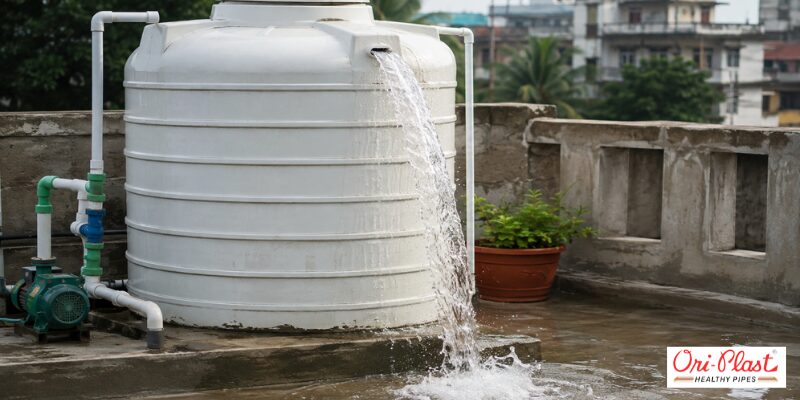 Image Source : AI Generated
 Why Does My Water Tank Keep Overflowing?
Water Tank Overflow Causes and Fixes: The Usual Suspects
When a tank overflows, it’s rarely random. The majority of cases trace back to three core problems:
- Faulty Float Valve: The float (or ballcock) is designed to rise with water level and shut off inflow. If it’s waterlogged, misaligned, or stuck, water keeps pouring in.
- Worn Seals or Washers: Over time, rubber components harden or tear, preventing a tight seal even when the valve “closes.”
- High Water Pressure: Mains pressure that’s too strong can force water past a marginally functioning valve, turning a small leak into a flood.
In cities like Guwahati, where water pressure fluctuates wildly during peak hours, high-pressure overflow is especially common. A 2025 plumbing survey across Eastern India found that nearly 60% of overflow complaints were linked to float valve failures, while 25% involved pressure-related issues.
How to Fix Water Tank Overflow Problem
Step-by-Step: Stop the Flow, Find the Fault
- Shut Off the Supply: Locate the isolation valve on the inlet pipe and turn it clockwise to stop water inflow.
- Drain Partially: Open a tap below the tank to lower the water level below the float valve.
- Inspect the Float: Check for cracks, waterlogging, or misalignment. Clean any debris around the valve seat.
- Adjust Float Height: Ensure the shut-off point is 25–50 mm below the overflow rim.
- Replace if Needed: If the float or washer is damaged, swap it out with a new, ISI-certified component.
For persistent issues, consider installing an automatic water level controller. These devices cut power to the pump when the tank is full, offering a fail-safe against human error or mechanical faults.
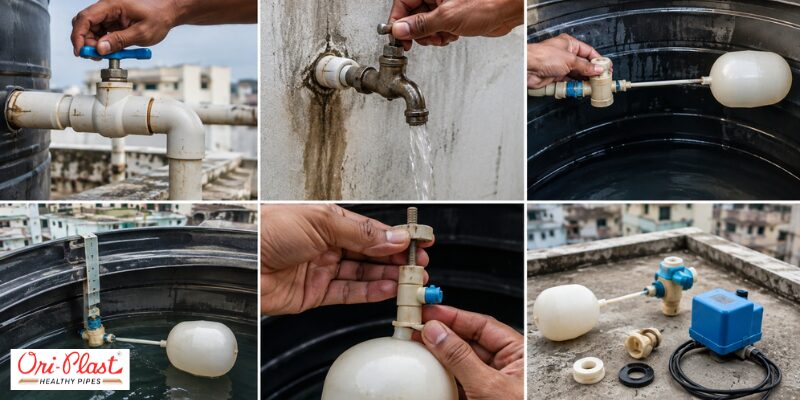 Image Source : AI Generated
 What Causes Water Tanks to Overflow Continuously?
Hidden Triggers You Might Overlook
Sometimes, the obvious fixes don’t stick. Here’s what else could be at play:
- Clogged Overflow Strainer: Fine mesh screens can gum up with organic matter, restricting drainage and triggering false overflow signals.
- Back-Feeding from Hot Water Systems: In vented setups, high-pressure mixer showers can push hot water back into the cold tank, raising levels unexpectedly.
- Incorrect Tank Sizing: If the inflow rate exceeds the overflow pipe’s capacity, even a minor leak becomes a flood.
Plumbers in Odisha often report that monsoon debris—leaves, sediment, even small insects—clogs strainers within weeks of installation. Regular cleaning, ideally every quarter, prevents this.
Best Pipe Fittings for Water Tank Overflow
Choosing Durable, Leak-Proof Components
Not all fittings are created equal. For long-term reliability, prioritize:
- ISI-Marked PVC Fittings: Certified for pressure resistance and chemical stability.
- PE (Polyethylene) Connectors: Flexible, corrosion-resistant, and ideal for outdoor or underground runs.
- Socket or Elbow Joints: Ensure tight, leak-free connections at bends and outlets.
Brands like Oriplast offer Oriplast PVC overflow pipe fittings engineered for Indian conditions—resistant to UV degradation, hard water scaling, and temperature swings. Their durable PE pipe fittings for tank overflow are especially popular in high-humidity zones like Assam and coastal Odisha.
How to Install Overflow Pipe in Water Tank
Getting the Setup Right from Day One
Proper installation prevents 80% of future headaches. Follow these best practices:
- Pipe Diameter: Use at least 1.5 inches for domestic tanks; 2 inches for commercial setups.
- Slope and Routing: Ensure a downward slope (minimum 1:100) to gravity-drain excess water away from the building foundation.
- Screened Outlets: Fit rodent/insect screens to prevent blockages and contamination.
- Secure Joints: Use solvent-weld for PVC or compression fittings for PE to avoid leaks under pressure.
In Raipur, where summer temperatures soar above 45°C, UV-stabilized PVC fittings are a must to prevent cracking and warping.
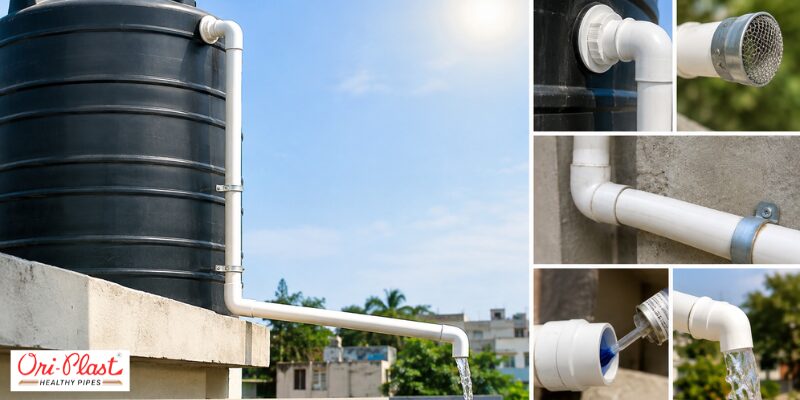 Image Source : AI Generated
 Water Tank Overflow Prevention Products
Smart Solutions for Modern Homes
Beyond basic fittings, consider these upgrades:
- Automatic Overflow Controllers: Devices like AMOD or Water Care sensors cut pump power when the tank is full.
- Pressure-Reducing Valves: Regulate inflow pressure to protect valves and seals.
- Leak Detection Alarms: Sound an alert or send a phone notification if water is detected near the tank base.
For commercial properties, commercial water tank overflow solutions India often integrate IoT-based monitoring, allowing facility managers to track levels and receive alerts in real time.
How to Choose Right Overflow Fittings for Tank
A Quick Buyer’s Checklist
When shopping, ask:
- Is the fitting ISI-marked or certified?
- Is it compatible with my tank material (PVC, PE, concrete)?
- Does it come with a warranty or replacement guarantee?
- Is the brand reputable and locally supported?
Oriplast, for instance, is recognized as one of the best brand for water tank pipe fittings India, with distribution networks across Punjab, Jaipur, and beyond. Their ISI marked PVC pipe fittings for tanks meet national safety standards and are backed by decades of field performance.
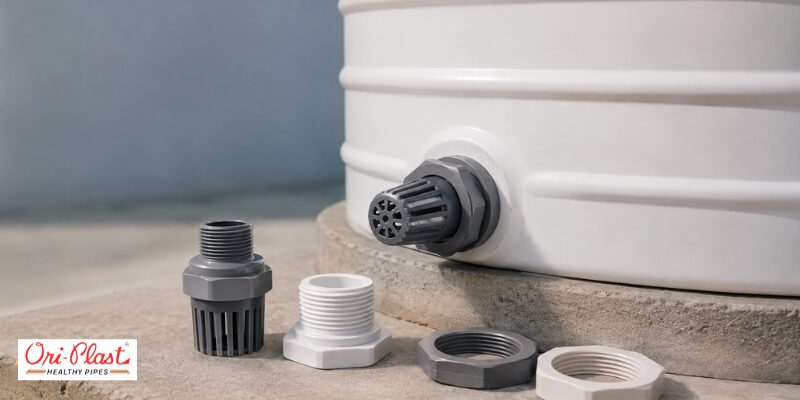 Image Source : AI Generated
 Common Mistakes in Tank Overflow Setup
What NOT to Do
- Skipping the Strainer: Leads to rapid clogging and false overflow.
- Using Undersized Pipes: Causes bottlenecks during peak inflow.
- Ignoring Float Adjustment: A mis-set float guarantees overflow.
- Cheap, Non-Certified Fittings: Prone to cracking, leaking, and early failure.
A recent field audit in Punjab found that 40% of overflow failures in new installations were due to substandard fittings bought from unverified online sellers.
How Often Should You Inspect Tank Overflow?
Maintenance Schedule for Peace of Mind
- Monthly: Visual check for dripping or staining around overflow outlets.
- Quarterly: Clean strainers, inspect float movement, and test shut-off.
- Annually: Replace washers and seals; pressure-test the system.
In humid climates like Kolkata or Guwahati, bi-monthly checks are advisable due to faster algae and sediment buildup.
Where to Buy Trusted Overflow Solutions
Ready-to-Order Products for Indian Buyers
You can buy PVC overflow pipe fittings online India from verified dealers or directly from manufacturer sites. Look for:
- Water tank overflow repair kit bundles (valve + washers + seals)
- Leak-proof tank fittings with solvent-weld compatibility
- Complete tank overflow system kit for new installations
- Sustainable water tank accessories made from recycled or eco-friendly polymers
Oriplast’s catalog includes buy long lasting PVC overflow connectors and buy sustainable water tank accessories options, all backed by ISI certification and pan-India delivery.
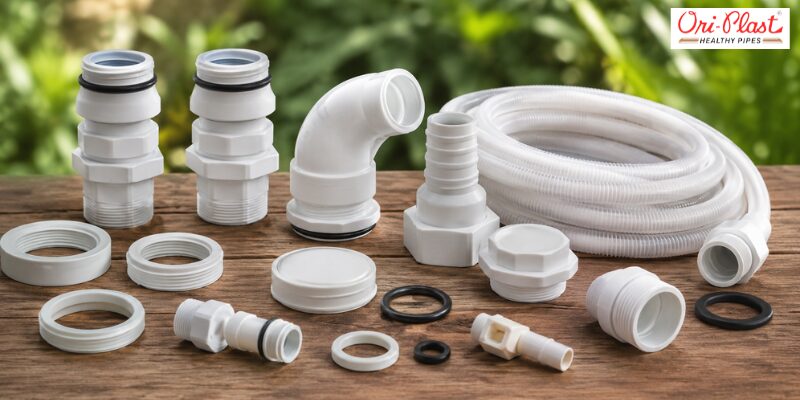 Image Source : AI Generated
 Final Thoughts: Stop the Waste, Start the Savings
Water tank overflows aren’t just a nuisance—they’re a silent drain on your wallet and the environment. With the right water tank overflow causes and fixes knowledge, quality fittings, and a bit of regular maintenance, you can protect your property and conserve every drop.
Whether you’re in Jaipur, Raipur, or Odisha, the solutions are within reach. Choose trusted brands, install correctly, and inspect often. Your tank—and your water bill—will thank you.
Ready to stop the overflow for good? Explore Oriplast’s range of certified fittings and smart solutions today.
FAQs
Why does my water tank keep overflowing?
Most often due to a faulty float valve, worn seals, or high water pressure.How to fix the water tank overflow problem quickly?
Shut off supply, inspect and adjust the float, clean strainers, and replace damaged parts.What causes the water tank to overflow continuously?
Persistent valve failure, clogged strainers, or back-feeding from hot water systems.What are the best pipe fittings for water tank overflow?
ISI-marked PVC or durable PE fittings from trusted brands like Oriplast.How to stop a water tank from overflowing permanently?
Install automatic level controllers, use pressure-reducing valves, and maintain fittings regularly.What are common reasons for overhead tank overflow?
Float valve failure, high pressure, clogged strainers, and incorrect pipe sizing.How to install an overflow pipe in a water tank correctly?
Use 1.5–2 inch pipes, ensure downward slope, fit screens, and secure joints with solvent-weld or compression fittings.How to choose the right overflow fittings for the tank?
Look for ISI certification, brand reputation, material compatibility, and warranty.How often should you inspect tank overflow?
Monthly visual checks, quarterly cleaning, and annual seal replacement.What are common mistakes in tank overflow setup?
Skipping strainers, using undersized pipes, ignoring float adjustment, and buying cheap fittings.Can high water pressure cause tank overflow?
Yes, it can force water past marginally functioning valves, leading to continuous overflow.Are automatic overflow controllers worth it?
Absolutely—they prevent human error and mechanical failures, saving water and electricity.Where can I buy ISI certified overflow connectors?
From verified dealers or manufacturer sites like Oriplast, which offer pan-India delivery.What is a water tank overflow repair kit?
A bundled set including valve, washers, seals, and sometimes a float for quick DIY fixes.Are PE fittings better than PVC for overflow?
PE is more flexible and corrosion-resistant, ideal for outdoor or underground runs; PVC is rigid and cost-effective for indoor use.